

Concrete Pump Blockages: Causes, Prevention and Recovery

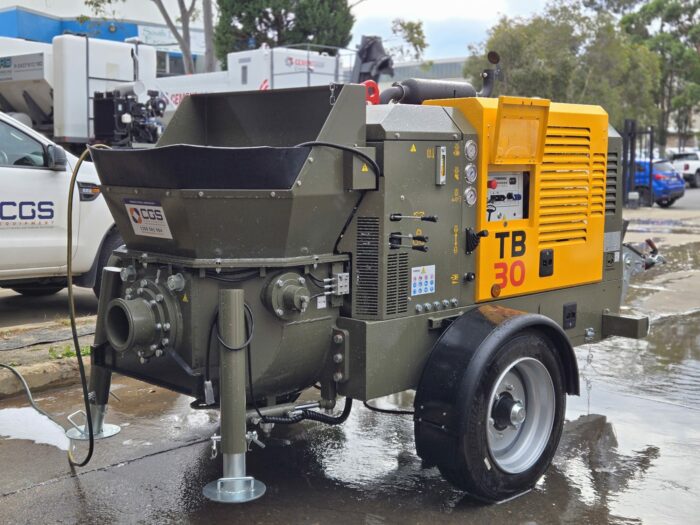
Concrete pump blockages can stop a project in minutes
Few things frustrate a pumping crew more than a concrete pump blockage. Productivity drops, labour sits idle, project schedules slip, and costs increase almost immediately.
An unexpected blockage can bring the entire operation to a standstill. If the issue isn’t resolved quickly, the problem can quickly become far more difficult and expensive to fix.
Most blockages are preventable. By understanding the common causes and following a few best-practice maintenance and operating procedures, contractors can significantly reduce downtime caused by concrete pump blockages.
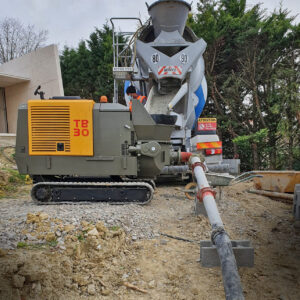
What causes concrete pump blockages?
The most common causes include:
- Poor concrete mix design
- Inadequate lubrication before pumping
- Worn pipelines or hoses
- Improper cleaning procedures
- Operator error
Start with the right concrete mix
One of the simplest ways to avoid concrete pump blockages is to ensure the concrete has been designed for pumping.
Aggregate size, grading, slump and cement content all influence how well concrete moves through the delivery system. A mix that is too dry or contains oversized stone can create excessive pressure within the pipeline, increasing the likelihood of a blockage.
Before work begins, discuss the pumping requirements with your concrete supplier. A small adjustment to the mix can often prevent significant delays later in the project.
Don’t skip pipeline lubrication
Correctly priming the pipeline before pumping is one of the easiest and most effective ways to reduce the risk of a blockage.
A properly lubricated pipeline allows the first concrete to travel smoothly through the system while reducing friction and unnecessary stress on the pump.
Skipping this step to save a few minutes often results in much longer delays if a blockage develops.
Always follow the equipment manufacturer’s recommended priming procedures.
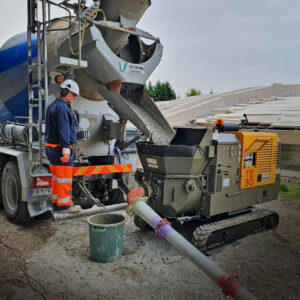
Inspect wear components before every project
Concrete pumping equipment operates in harsh conditions, with highly abrasive material.
Over time, components are subject to wear and damage, such as:
- Delivery pipes
- Elbows
- Reducers
- Hoses
- Clamps
- Wear plates
Regular inspections help identify excessive wear before it leads to equipment failure or restricted concrete flow.
Replacing worn components during scheduled maintenance is far less expensive than dealing with a blocked pipeline during an active pour.
Clean equipment thoroughly after every pour
Cleaning is often treated as the last task of the day, but it is easily one of the most important.
Concrete left inside pipelines, elbows or hoppers can harden quickly and create restrictions during the next project.
Developing a consistent cleaning routine helps:
- Maintain pumping performance
- Extend equipment life
- Reduce maintenance costs
- Minimise the likelihood of future blockages
Taking the time to clean equipment properly today can prevent hours of downtime tomorrow and save you money in the long-run.
Operator knowledge matters
Even with high-quality equipment and the correct concrete mix, operator technique plays a major role in preventing concrete pump blockages.
Experienced operators understand how the pump should sound and feel during normal operation. They can often recognise warning signs before a complete blockage occurs.
These warning signs may include:
- Increasing pump pressure
- Reduced output
- Irregular pump cycling
- Changes in hose movement
- Unusual operating noises
- Changes to pumping performance
Responding early may allow the issue to be corrected before production stops completely.
Regular operator training also improves equipment longevity, productivity and site safety.
What should you do if a blockage occurs?
Despite good preparation, blockages can still happen.
If they do:
- Stop pumping immediately.
- Relieve pressure safely following the manufacturer’s procedures.
- Locate the blockage before dismantling any components.
- Never disconnect a pressurised pipeline.
- Inspect the system thoroughly before recommencing work.
- Ensure adjustments are made to prevent repeat blockages.
Attempting to force concrete through a blockage or dismantling equipment under pressure creates significant safety risks and can damage the equipment.
Safe Work Australia provides guidance on managing plant and equipment risks in the workplace:
https://www.safeworkaustralia.gov.au
Preventative maintenance saves time and money
The most effective solution to a concrete pump blockage is preventing one in the first place.
A preventative maintenance program helps identify worn components before they fail, reduces unexpected breakdowns and improves equipment reliability.
Simple scheduled inspections can significantly reduce downtime while extending the service life of valuable equipment.
For contractors operating multiple pumps or managing large infrastructure projects, preventative maintenance isn’t just good practice—it’s an investment that improves productivity and protects profitability.
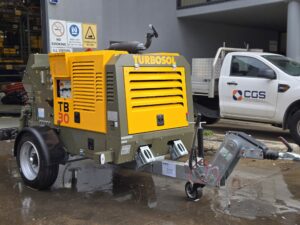
Keep your projects moving
Every hour spent dealing with a concrete pump blockage is an hour that crews aren’t producing work.
By using the correct concrete mix, maintaining equipment, inspecting wear components and following proper operating procedures, contractors can dramatically reduce the likelihood of costly interruptions.
For additional information on concrete pumping practices, the American Concrete Pumping Association provides useful technical resources:
https://www.concretepumpers.com
At CGS Equipment, we work with contractors across Australia to maximise equipment reliability through quality machinery, genuine spare parts and experienced technical support.
Whether you’re purchasing new equipment, servicing an existing fleet or looking for advice on improving pumping performance, our team is ready to help.
Learn more about our equipment and support services here
Or contact the CGS Equipment team to discuss practical solutions that keep your projects operating safely, efficiently and on schedule.