

AS 1379:2026 and Volumetric Concrete: What Producers Need to Know

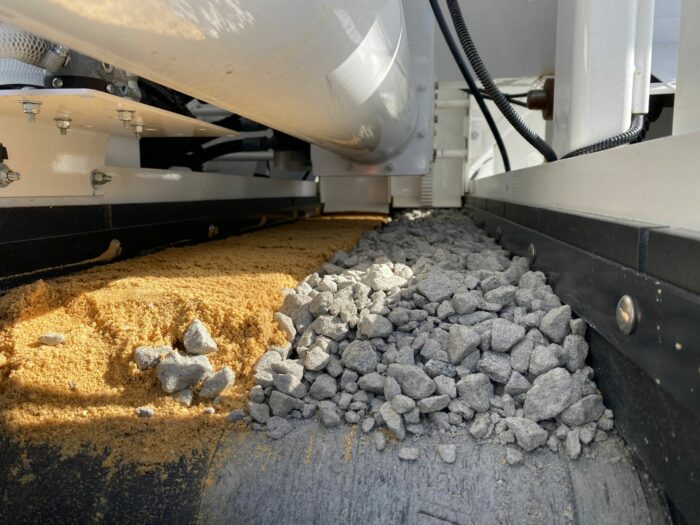
Volumetric concrete mixers provide a flexible alternative to traditional batch plants. Materials are carried separately, measured by the machine and mixed on demand at the point of delivery.
However, owning a capable volumetric mixer does not automatically make the concrete compliant with AS 1379. Compliance depends on the complete production system including the materials, mix design, equipment, testing, operating procedures and production records.
If required, CGS Equipment can provide helpful guidance to assist concrete producers demonstrate compliance with the Standard. Contact our team today to discuss how we can help you.
What is AS 1379:2026?
AS 1379:2026 – Specification and supply of concrete establishes minimum requirements for the materials, plant and equipment used in the production and delivery of concrete.
The Standard applies to concrete supplied for construction projects in Australia. Its purpose is to help ensure that concrete is produced consistently and meets the performance and specification requirements agreed with the customer.
Importantly, AS 1379:2026 recognises continuous mixing equipment. This means volumetric concrete can be produced in accordance with the Standard when the supplier has suitable controls and evidence in place.
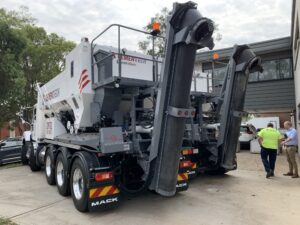
AS 1379 Volumetric Concrete Compliance Is a Process
There is an important distinction between equipment capability and concrete compliance.
A volumetric mixer can provide the measurement, control and mixing capability needed to produce conforming concrete. However, the producer remains responsible for validating the concrete and controlling the production process.
A strong compliance system should address the following areas.
Validate the mix designs
Each concrete mix should be properly developed and supported by test results. The process should consider:
- Cementitious material content
- Aggregate type and grading
- Water-to-cementitious-material ratio
- Admixture dosage
- Required strength and workability
- Material moisture and absorption
- Intended application and exposure conditions
Trial mixes and compressive-strength testing are compulsory to provide evidence that the proposed mix can achieve its specified performance.
Control incoming materials
Consistent concrete starts with consistent raw materials.
Producers must maintain current supplier information and relevant test documentation for cementitious materials, aggregates and admixtures.
Aggregate moisture is particularly important because it affects the total water added to the concrete. Moisture levels should be monitored and adjustments made when site or weather conditions change.
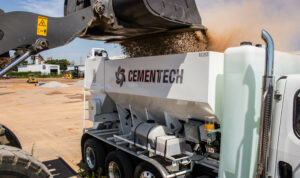
Calibrate the volumetric mixer
A volumetric mixer must accurately measure and proportion each constituent material.
Calibration should cover the cementitious material, aggregates, water and admixtures. Results should be documented and retained. Calibration must also be checked at appropriate intervals and after any major maintenance or adjustment that could affect measurement accuracy.
A machine setting alone is not sufficient evidence. The producer should be able to connect the calibration results, mix settings and production records to the concrete supplied.
Establish documented production procedures
Operators need clear instructions for producing each approved mix.
Procedures should cover pre-start inspections, material loading, mix selection, moisture adjustments, production checks, cleaning and shutdown. There should also be a process for identifying and managing concrete that may not meet the specified requirements.
Operator training is essential. Even a correctly calibrated machine can produce inconsistent results if operating procedures are not followed.
Test the concrete
Concrete testing confirms whether the production system is working as intended.
Depending on the specification and project, testing may include:
- Slump or other consistency testing
- Concrete temperature
- Sampling and preparation of test specimens
- Compressive-strength testing
- Assessment of production results over time
Testing must be undertaken using the applicable test methods and, where required, competent or accredited testing providers.
Maintain traceable records
Good records allow the producer to demonstrate what was supplied and how it was produced.
Records may include:
- Customer and project details
- Date, time and delivery location
- Approved mix identification
- Materials and quantities used
- Water or moisture adjustments
- Volume produced
- Calibration records
- Test results
- Operator details
- Maintenance and inspection records
- Details of any non-conformance and corrective action
These records form part of a controlled quality-management system rather than being collected only when a customer requests them.
Where Should a New Producer Begin?
For a business introducing volumetric concrete production, the practical starting point is to build the compliance system alongside the equipment commissioning process.
This means establishing approved mix designs, completing and recording calibration, training operators, arranging concrete testing and preparing the required production forms before undertaking commercial pours.
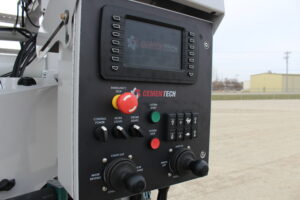
CGS Equipment can assist customers with Cemen Tech equipment selection, commissioning, calibration guidance, machine operation training and ongoing technical support. However, each concrete producer must implement and maintain its own quality controls and confirm the contractual and regulatory requirements that apply to its projects.
To discuss a volumetric concrete application or your equipment requirements, contact CGS Equipment.
This article provides general industry information only. Concrete producers should obtain and review the current AS 1379:2026 document when developing their compliance system.